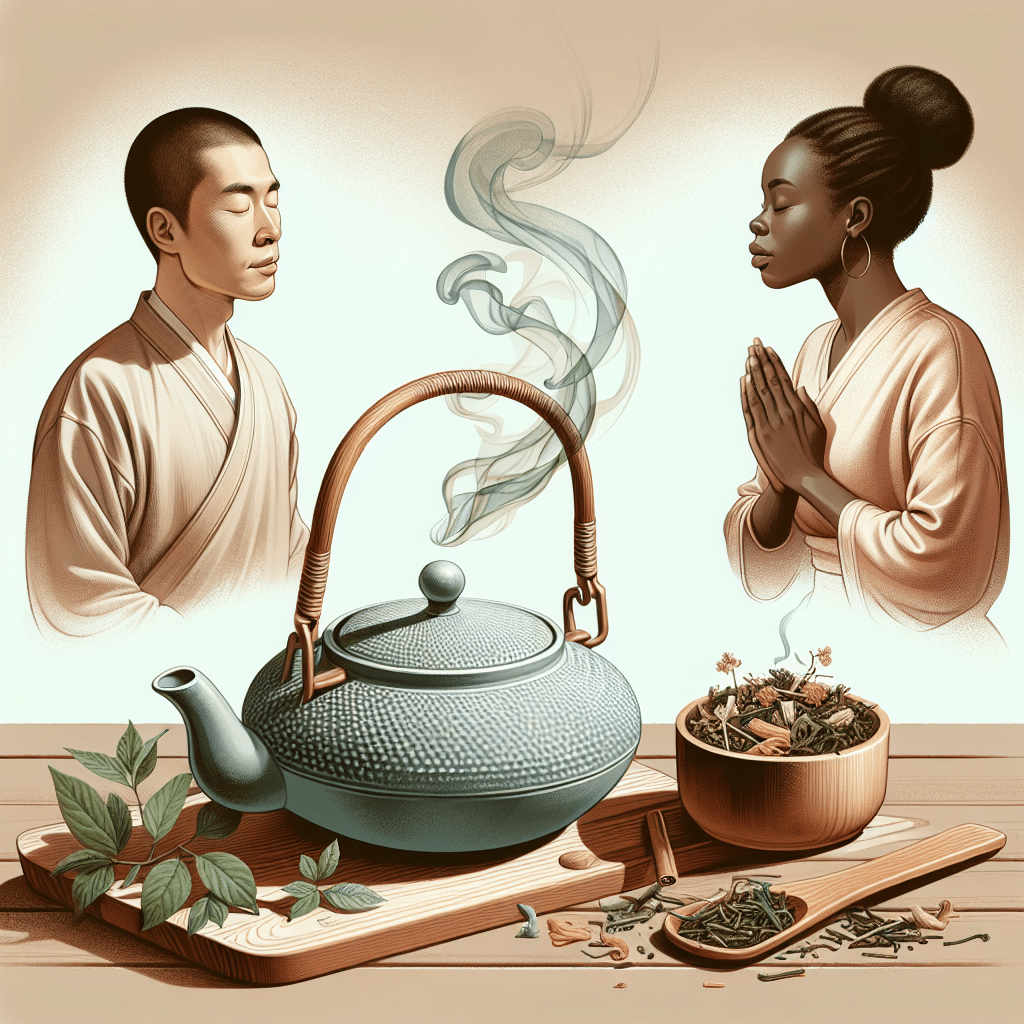
The Importance of Mindfulness
Mindfulness is the practice of staying fully present in the moment, enhancing focus and clarity while reducing stress and anxiety. By incorporating calming herbal tea rituals into your daily routine, you can elevate your mindfulness practice and cultivate a deeper connection with your surroundings and yourself.
The Role of Herbal Tea in Mindfulness
Herbal tea is more than just a beverage; it can serve as a potent tool for mindfulness. The act of preparing and sipping herbal tea encourages you to slow down, becoming aware of each sensation—from the heat of the water to the aroma of the herbs. Engaging your senses in this manner enhances mindfulness, allowing you to experience tranquility with every sip.
Choosing the Right Herbs
Different herbs have various effects on the mind and body. Here is a selection of calming herbs you might consider, along with their mindfulness benefits:
Chamomile
Chamomile is renowned for its calming properties, helping to reduce anxiety and promote sleep. The delicate flavor and soothing aroma create a sense of peace. For mindfulness, focus on the unfolding of the chamomile flowers as they steep, breathing in their calming scent.
Lavender
Lavender is a powerful herb recognized for its stress-relieving qualities. Its floral aroma can help ease tension. When making lavender tea, pay attention to the color change in the water and the gentle movement of the lavender as it releases its soothing properties.
Lemon Balm
Lemon balm has uplifting qualities, known for enhancing mood and cognitive function. As you brew lemon balm tea, take a moment to appreciate its refreshing scent. This sensory awareness can promote positive thinking, fostering a sense of joy in the present moment.
Peppermint
Peppermint is invigorating yet calming, providing clarity and focus while alleviating stress. Engage with the fragrance as you crush the leaves before steeping. This tactile experience enhances your mindfulness practice, sharpening your awareness of the sensations you encounter.
Passionflower
Passionflower is an excellent herbal choice for calming anxiety and improving sleep quality. The preparation ritual of passionflower tea allows you to witness its transformation as it steeps. Paying attention to the process cultivates mindfulness, encouraging you to stay grounded in the here and now.
Creating Your Herbal Tea Ritual
Establishing an effective herbal tea ritual can enhance your mindfulness practices. Here’s a detailed process to help you cultivate this calming experience:
Step 1: Set the Intention
Before making your tea, pause and set an intention. This can be as simple as “I will be present” or “I will find peace in this moment.” Setting an intention helps you transition into a mindful space.
Step 2: Gather Your Ingredients
Choose your favorite calming herbs, a teapot or teacup, and any additional tools you may need, such as a strainer or measuring teaspoon. Engage each sense as you do this—notice the colors, textures, and scents as you assemble your materials.
Step 3: Boil the Water
As you boil water, focus on the sounds of the kettle. Listen to the bubbles forming, and notice the transformation from water to steam. This process draws your attention back to the present moment.
Step 4: Steep the Herbs
Once your water reaches the appropriate temperature, pour it over your chosen herbs. Observe the colors and the steam rising from the cup. Take a deep breath to inhale the aromatic molecules releasing into the air. This stage of the ritual invites you to appreciate the calming qualities of the herbs visually and aromatically.
Step 5: Sip Slowly
Take your time to sip the tea. Rather than gulping it down, allow it to linger on your palate. Notice the warmth as it descends into your body. Reflect on the flavor, texture, and aroma as you savor each sip. This attention to detail exemplifies the essence of mindfulness.
Step 6: Reflect
After finishing your tea, spend a few moments reflecting on your experience. Acknowledge any thoughts that emerged during your ritual and consider how you feel after taking this time for yourself.
Enhancing Your Experience with Mindful Additions
To deepen your mindfulness practice while enjoying herbal tea, consider incorporating additional elements:
Mindful Breathing
Integrate deep breathing exercises while your tea steeps. Inhale through your nose and exhale through your mouth, allowing your breath to slow and grounded. This practice enhances relaxation and creates an atmosphere conducive to mindfulness.
Meditation
Consider pairing your herbal tea moment with a brief meditation. Simply sit in a comfortable position, close your eyes, and direct your attention to your breath or the sensations in your body. Doing this with a cup of tea can enhance your focus and bring warmth to the mindfulness experience.
Nature Connection
If possible, enjoy your herbal tea outside, surrounded by nature. The sights and sounds can enhance mindfulness, allowing you to focus entirely on the natural world around you. Pay attention to the rustle of leaves, the chirping of birds, or the feeling of the breeze against your skin.
A Final Note on Consistency
Consistency is key in developing any habit, including mindfulness practices. Designate specific times during your day for your calming herbal tea rituals—mornings, afternoons, or evenings. Whichever time you choose, make it a sacrosanct date with yourself, dedicating this period solely to cultivating mindfulness and self-awareness.
By integrating calming herbal tea rituals into your daily routine, you create a sanctum of mindfulness in your life. This ritual not only enhances your awareness but also offers a soothing retreat for stress relief, promoting emotional balance and mental clarity. Enjoy the tranquil moments and awaken a greater sense of presence within yourself through this simple yet effective practice.