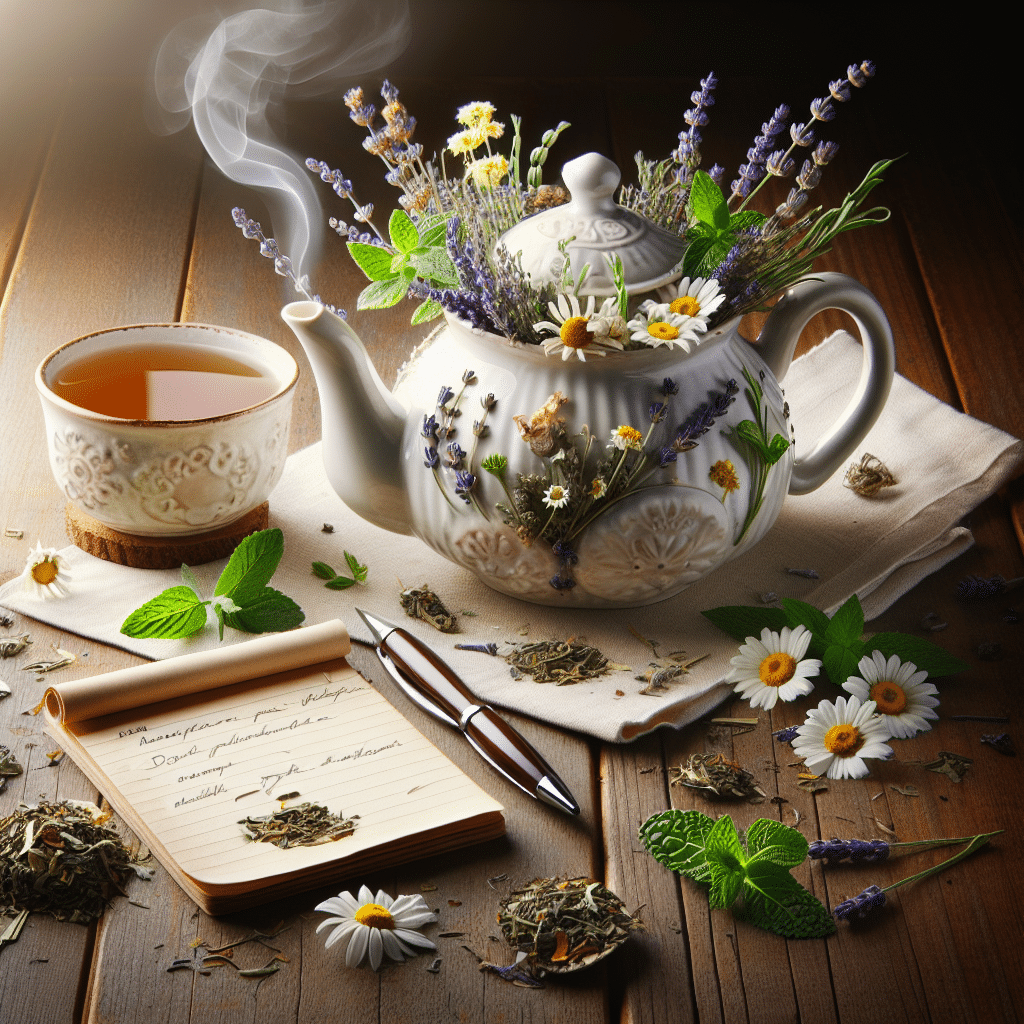
Herbal Tea Blends Overview
Herbal tea blends have gained immense popularity for their calming effects and aromatic profiles, appealing to those seeking relaxation after a long day. As more individuals embrace natural remedies for stress relief, the market has expanded with various mixtures catering to distinct tastes and wellness needs. Here, we explore user reviews and experiences with some of the most popular calming herbal tea blends available today.
Popular Calming Herbal Tea Blends
1. Chamomile and Lavender Blend
User Reviews:
Many users rave about the classic combination of chamomile and lavender, often citing its delightful aroma and relaxing effects. One user from a wellness forum shared, “After sipping this blend in the evenings, I find it easier to drift off to sleep. It’s like a warm hug in a mug!”
Experience Highlights:
- Calming Properties: Both chamomile and lavender have been revered for their sedative qualities. Reviews indicate that a cup before bedtime not only eases anxiety but can also improve sleep quality.
- Flavor Profile: Users appreciate the floral notes complemented by chamomile’s sweetness, making it a favorite among tea enthusiasts.
2. Lemon Balm and Valerian Root Blend
User Reviews:
The mix of lemon balm and valerian root has attracted users looking for a stronger calming effect. A user commented, “This blend is my go-to after a stressful day at work. I feel immediate relaxation, and I sleep more soundly.”
Experience Highlights:
- Synergistic Effects: Many reviews indicate that the combination enhances tranquility effectively. Users have reported that valerian root’s robustness, combined with lemon balm’s mildness, results in a comforting infusion.
- Taste Feedback: While some users appreciate the earthy flavor of valerian, others suggest that it can be an acquired taste, often recommending steeping it with honey for added sweetness.
3. Peppermint and Ginger Blend
User Reviews:
Peppermint and ginger are known for their soothing properties on the digestive system. One user shared, “This tea not only calms my nerves but helps with my upset stomach. I drink it after meals to unwind.”
Experience Highlights:
- Dual Benefits: Reviewers frequently highlight both the mental calming and physical digestive benefits. This dual-action is particularly praised among those who experience stress-related digestive issues.
- Refreshing Taste: Users enjoy the refreshing minty taste of peppermint mixed with a hint of ginger spice, making it a versatile choice to sip throughout the day.
4. Passionflower and Hops Blend
User Reviews:
Combining passionflower and hops is emerging as a unique approach to relaxation. A user stated, “After a few cups, I noticed my anxiety levels drop significantly. It’s like a switch flipped in my brain!”
Experience Highlights:
- Natural Anxiolytic: This blend is commonly noted for its natural sedative effects, offering an alternative to those who prefer not to use pharmaceutical options.
- Mellow Flavor Profile: Reviews highlight the soft, grassy flavor of passionflower that pairs well with the mild bitterness of hops, creating a soothing beverage.
The Role of Ingredients
A Closer Look at Common Ingredients:
-
Chamomile: Known for its gentle sedative properties, chamomile is often the star of many calming blends. Users appreciate its mild flavor and effectiveness in promoting relaxation.
-
Lavender: This aromatic herb isn’t just for scents; its inclusion in teas is celebrated for inducing calmness. User experiences often highlight improved sleep quality and reduced anxiety.
-
Valerian Root: A potent relaxant, valerian root is often referenced for its effectiveness in promoting deeper sleep. Some users caution that its strong taste may require pairing with other herbs.
-
Lemon Balm: This herb is noted for uplifting mood and easing tension. Many users report feeling lighter and more at ease after consuming lemon balm blends.
-
Peppermint: While primarily known for its digestive benefits, peppermint’s refreshing taste is frequently mentioned in user reviews as enhancing the overall experience of tea drinking.
-
Hops: Often associated with beer, hops in tea provide a unique flavor while also contributing to its calming properties, helping to intensify relaxation.
Brewing Techniques and Preparation
User experiences show that proper brewing can significantly enhance the effects of herbal tea blends.
- Brewing Time: Many reviewers suggest steeping blends for at least 5-7 minutes to extract maximum flavor and benefits.
- Water Temperature: Users recommend using hot but not boiling water for delicate herbs, allowing for a gentler extraction of flavors and active compounds.
- Personalization: Adding honey, lemon, or milk is frequently discussed among users as a way to tailor herbal blends to individual tastes.
Consumer Considerations
Choosing the Right Blend
With a plethora of options available, selecting the best calming herbal tea blend can be daunting. Users often recommend:
- Dietary Needs: Those with specific health concerns, such as allergies or gastro-intestinal issues, should pay attention to ingredient lists before purchasing.
- Trial and Error: Many reviewers advocate experimenting with different blends to discover which one resonates best with their bodies and preferences.
- Quality of Ingredients: Higher-quality organic blends are often favored by users, as they believe these provide better flavor and health benefits.
Final Thoughts from Users
Sharing their experiences, users emphasize the importance of finding a calming herbal tea blend that fits their lifestyle and flavor preferences. Whether it’s a comforting chamomile-lavender mix or the invigorating peppermint-ginger combination, the ultimate goal remains the same: achieving tranquility and enhancing overall well-being through the simple act of sipping tea. As the community continues to share reviews and suggestions, more individuals are finding solace in these herbal concoctions, leading to increased usage and enjoyment.