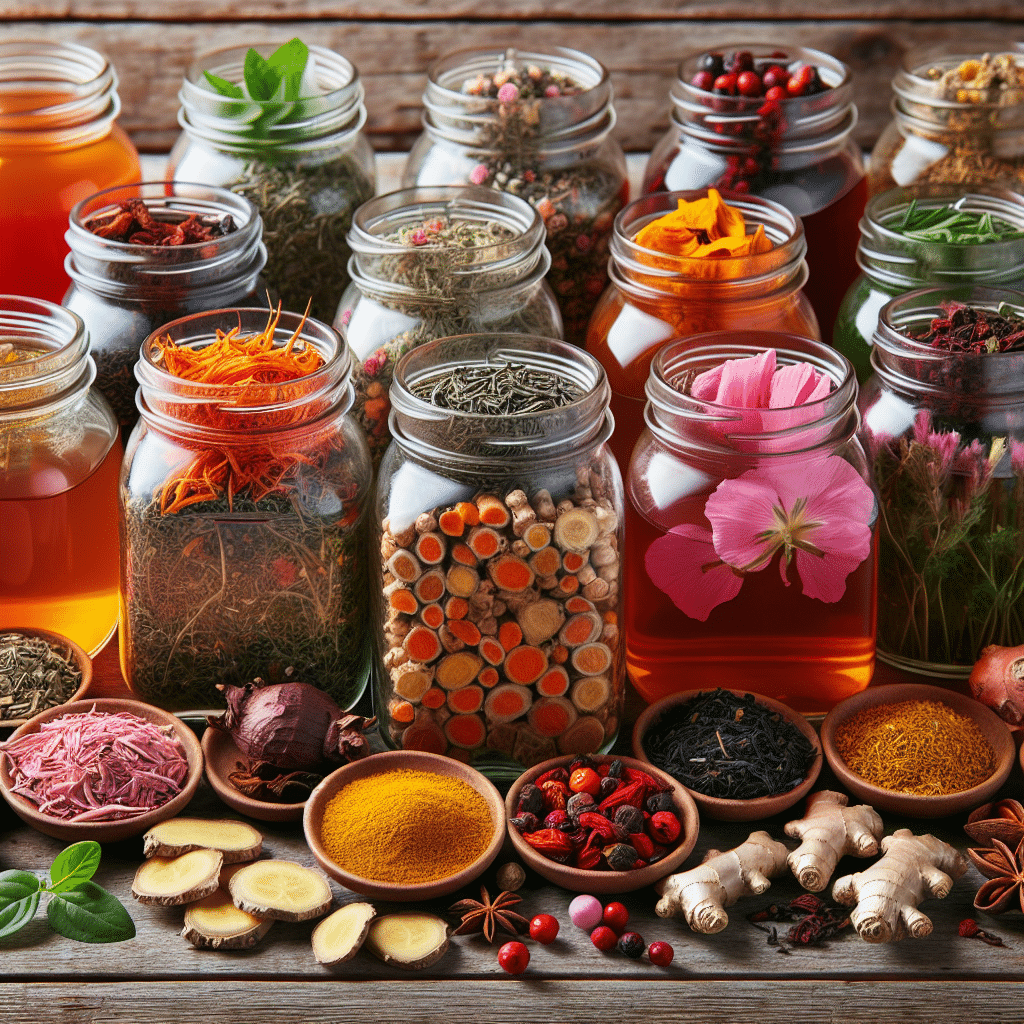
The Health Benefits of Anti-Inflammatory Herbal Teas
Herbal teas have been cherished for centuries, not only for their delightful flavors but also for their myriad health benefits. In recent years, increasing attention has been paid to the anti-inflammatory properties of various herbs. Chronic inflammation can lead to various health issues, including arthritis, cardiovascular diseases, and metabolic disorders. By incorporating anti-inflammatory herbal teas into your wellness routine, you can harness nature’s healing power while treating yourself to refreshing beverages.
1. Turmeric Ginger Tea
Ingredients:
- 1 cup water
- 1 tsp turmeric powder or 1-inch fresh turmeric root, sliced
- 1-inch fresh ginger root, sliced
- 1 tbsp honey (optional)
- Lemon slice (optional)
Instructions:
- Boil water in a saucepan.
- Add turmeric and ginger, reducing the heat to low.
- Simmer for about 10 minutes.
- Strain into a cup, adding honey and lemon if desired.
- Enjoy warm.
Benefits:
Turmeric contains curcumin, known for its potent anti-inflammatory and antioxidant properties. Ginger is an excellent complement, enhancing the tea’s flavor and offering further anti-inflammatory benefits.
2. Green Tea with Mint and Lemon
Ingredients:
- 1 cup water
- 1 green tea bag or 1 tsp loose green tea
- Fresh mint leaves (about 5-6)
- 1 lemon wedge
- Honey or sweetener (optional)
Instructions:
- Boil water and remove from heat.
- Add the green tea and mint leaves, steeping for 3-5 minutes.
- Strain or remove the tea bag and mint leaves.
- Squeeze in lemon wedge and add sweetener as desired.
- Serve hot or chilled over ice.
Benefits:
Green tea is rich in polyphenols, particularly epigallocatechin gallate (EGCG), which is known for its anti-inflammatory properties. Mint adds not only a refreshing taste but also aids digestion.
3. Chamomile and Lavender Relaxation Tea
Ingredients:
- 1 cup water
- 1 tbsp dried chamomile flowers
- 1 tsp dried lavender flowers
- 1 tsp honey (optional)
Instructions:
- Boil water in a small pot.
- Once boiling, remove from heat and add chamomile and lavender.
- Cover and steep for 5-7 minutes.
- Strain into a mug, adding honey for sweetness if desired.
- Sip slowly to unwind.
Benefits:
Chamomile is known for its soothing effects and can help reduce inflammation. Lavender complements this with its calming properties, making this tea perfect for relaxation.
4. Cinnamon Apple Cider Tea
Ingredients:
- 1 cup water
- 1 tbsp apple cider vinegar
- ¼ tsp ground cinnamon
- 1 tbsp honey or maple syrup (optional)
- Apple slices (for garnish)
Instructions:
- Boil water and pour it into a heatproof cup.
- Add apple cider vinegar and cinnamon. Stir well.
- Let it sit for a couple of minutes to cool slightly.
- Add honey or maple syrup to sweeten, if desired. Garnish with apple slices.
- Enjoy warm.
Benefits:
Cinnamon has anti-inflammatory and antioxidant properties, while apple cider vinegar may help regulate blood sugar levels, further promoting overall wellness.
5. Rooibos and Hibiscus Tea
Ingredients:
- 1 cup water
- 1 tbsp rooibos tea
- 1 tbsp dried hibiscus flowers
- Honey or agave syrup (optional)
Instructions:
- Boil water and pour it into a pot.
- Add rooibos and hibiscus, allowing it to steep for about 5-7 minutes.
- Strain and sweeten if desired.
- Enjoy hot or chilled as iced tea.
Benefits:
Rooibos is caffeine-free and rich in polyphenols, offering potent anti-inflammatory properties. Hibiscus adds a tart flavor and is rich in anthocyanins, known for their antioxidant benefits.
6. Thyme and Lemon Balm Tea
Ingredients:
- 1 cup water
- 1 tsp dried thyme
- 1 tsp dried lemon balm
- Honey (optional)
Instructions:
- Boil water, then remove it from the heat.
- Add thyme and lemon balm, steeping for about 5-10 minutes.
- Strain the tea into a cup and add honey if desired.
- Serve warm.
Benefits:
Thyme contains thymol, an active compound with anti-inflammatory and antimicrobial properties. Lemon balm adds a gentle flavor and contributes to stress reduction, enhancing overall wellness.
7. Nettle Leaf Tea
Ingredients:
- 1 cup water
- 1-2 tsp dried nettle leaves
- Lemon juice (optional)
Instructions:
- Boil the water in a pot.
- Add nettle leaves and steep for 5-10 minutes.
- Strain and add lemon juice if desired.
- Serve hot.
Benefits:
Nettle leaves are renowned for their anti-inflammatory properties and may help alleviate symptoms of allergies and arthritis. This herbal tea is a powerful ally in maintaining health and wellness.
8. Dandelion and Ginger Detox Tea
Ingredients:
- 1 cup water
- 1 tsp dried dandelion root
- 1-inch fresh ginger, sliced
- Honey (optional)
Instructions:
- Boil water and add dandelion root and ginger.
- Simmer for about 10-15 minutes.
- Strain and sweeten with honey if desired.
- Sip when warm.
Benefits:
Dandelion is known for its detoxifying properties and is a gentle diuretic, which can help reduce inflammation. Pairing it with ginger enhances the anti-inflammatory effects.
9. Lemon-Ginger Turmeric Tea
Ingredients:
- 1 cup water
- 1 inch fresh ginger, sliced
- 1 tsp turmeric powder
- Juice of 1/2 lemon
- Honey (optional)
Instructions:
- Boil the water and add ginger and turmeric.
- Simmer for about 10 minutes.
- Strain into a cup and add lemon juice and honey if desired.
- Drink warm for best results.
Benefits:
With the combined anti-inflammatory power of turmeric and ginger, this tea not only tastes great but also supports immune function and reduces inflammation effectively.
10. Clove and Fennel Tea
Ingredients:
- 1 cup water
- 2 whole cloves
- 1 tsp fennel seeds
- Honey (optional)
Instructions:
- Boil the water and add cloves and fennel seeds.
- Simmer for about 5 minutes.
- Strain the tea into a cup and sweeten with honey if desired.
- Enjoy warm.
Benefits:
Cloves are high in eugenol, which has been shown to have anti-inflammatory properties. Fennel not only adds a sweet, anise-like flavor but also aids in digestion, making this tea beneficial for overall wellness.
Final Tips for Brewing Herbal Teas
- Quality of Ingredients: Always use high-quality herbs, preferably organic, to ensure maximum health benefits.
- Optimal Temperature: Different herbs may require different temperatures and steeping times. Follow instructions for best results.
- Taste Adjustments: Feel free to adjust sweetness or add more ingredients according to your taste preferences.
- Regular Consumption: To reap the anti-inflammatory benefits, consider incorporating these teas into your daily routine.
By exploring these anti-inflammatory herbal tea recipes, you not only create soothing and flavorful drinks but also empower your body to fight inflammation and promote overall wellness.