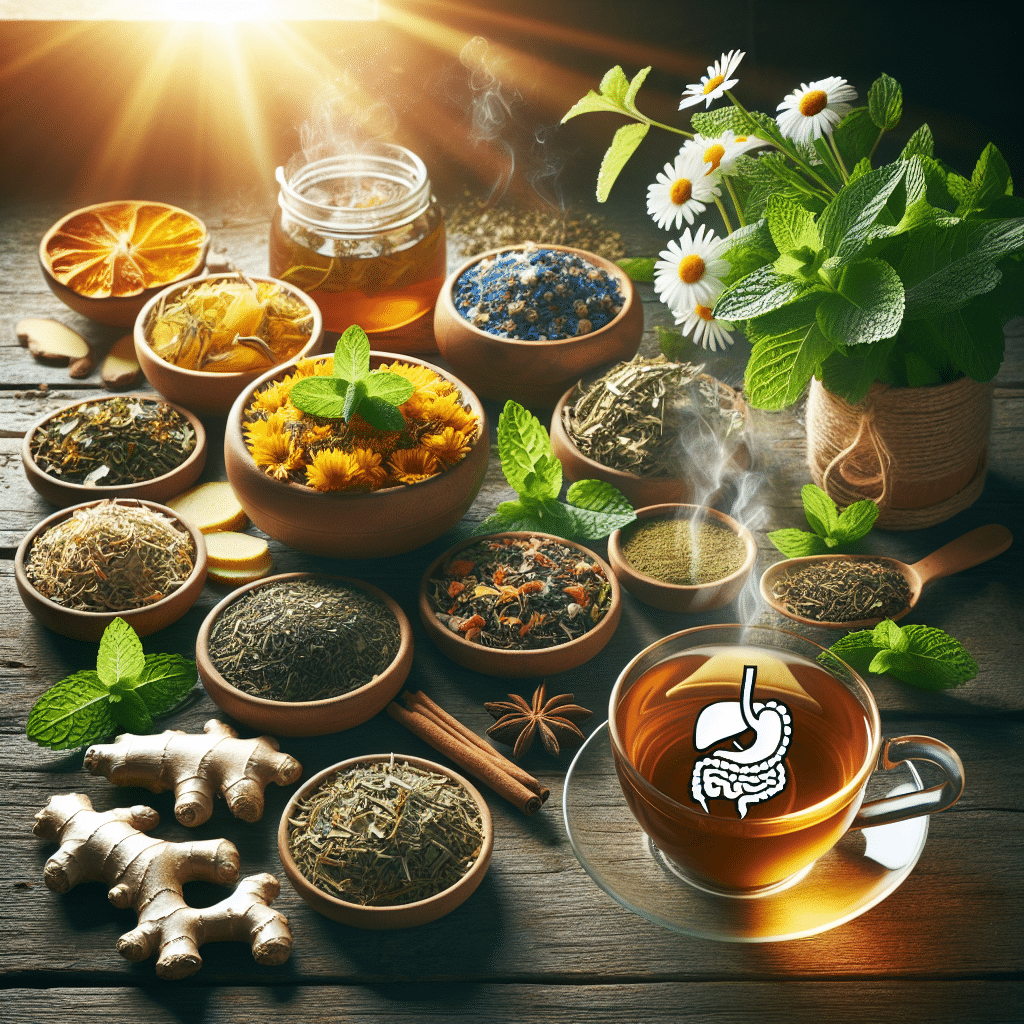
Digestive Health Benefits of Herbal Teas
Understanding Herbal Teas
Herbal teas, often referred to as tisanes, are infusions made from a variety of herbs, flowers, and fruits, rather than traditional tea leaves. They are caffeine-free and packed with essential nutrients that can bolster digestive health. This article delves into the specific advantages herbal teas offer to the digestive system.
Chamomile Tea
Chamomile tea is renowned for its calming properties, but it is equally effective for digestion. This herbal tea aids in reducing inflammation in the gastrointestinal tract, which can alleviate symptoms such as bloating and gas. The antispasmodic action of chamomile relaxes muscles in the intestines, promoting smoother digestion. Regular consumption can also help to minimize indigestion and acid reflux, making it a soothing option after meals.
Peppermint Tea
Peppermint tea is a popular choice for those seeking relief from digestive ailments. The menthol in peppermint serves as a muscle relaxant, which can ease spasms in the stomach and intestines. This herbal tea is particularly effective for alleviating symptoms of irritable bowel syndrome (IBS) and can help reduce bloating and discomfort associated with overeating. Additionally, peppermint tea stimulates the production of bile, which is essential for fat digestion.
Ginger Tea
Ginger is a well-known remedy for various digestive issues. Ginger tea, made from fresh or dried ginger root, can help combat nausea, making it an excellent choice for those suffering from motion sickness or morning sickness during pregnancy. The active compounds, such as gingerol and shogaol, improve digestive health by promoting gastric motility and enhancing the absorption of nutrients. Drinking ginger tea can also ease symptoms of indigestion and reduce gas buildup in the digestive tract.
Fennel Tea
Fennel tea, derived from the seeds of the fennel plant, is a traditional remedy for digestive discomfort. Fennel contains anethole, which has anti-inflammatory properties and is known to ease bloating and gas. Drinking fennel tea after meals can facilitate better digestion and can be particularly beneficial for individuals who experience heartburn or gastroesophageal reflux disease (GERD). Moreover, fennel tea can stimulate appetite and aid in breaking down food, improving overall digestive efficiency.
Dandelion Tea
Dandelion tea may be less well-known, but it offers remarkable digestive benefits. This herbal tea is a natural diuretic, promoting healthy liver function and stimulating bile production, essential for digesting fats. Dandelion leaves can also help alleviate constipation and encourage regularity due to their high fiber content. The bitter compounds in dandelion support digestive enzyme secretion, enhancing the breakdown of food in the stomach.
Rooibos Tea
Rooibos tea, a caffeine-free herbal tea from South Africa, is rich in antioxidants and boasts several digestive health benefits. It helps soothe stomach cramps and inhibits inflammation in the digestive tract. Rooibos can also reduce symptoms of nausea and indigestion, making it a gentle choice for sensitive stomachs. Furthermore, its high mineral content aids in maintaining a balanced digestive system.
Licorice Root Tea
Licorice root tea is a potent herbal remedy known for its soothing effects on the digestive system. It forms a protective layer on the stomach lining, effectively reducing acidity and alleviating discomfort from conditions like gastritis and ulcers. The glycyrrhizin in licorice can help stimulate mucus production in the stomach, further protecting it from irritants. Caution is advised with licorice root, as prolonged use can lead to hypertension.
Turmeric Tea
Turmeric tea, made from the golden spice curcumin, is celebrated for its anti-inflammatory properties. This herbal tea can aid digestion by increasing bile flow and improving the absorption of nutrients. Turmeric may also help in reducing gut inflammation, making it beneficial for individuals with inflammatory bowel diseases. Regular consumption can help maintain a healthy gut flora, promoting overall digestive health.
Hibiscus Tea
Hibiscus tea, with its vibrant color and tart flavor, offers significant health benefits for digestion. It’s known to support liver health, aiding in detoxification processes that are crucial for maintaining a healthy digestive system. Hibiscus can help reduce constipation due to its natural laxative effects and is rich in antioxidants, which can combat inflammation in the digestive tract.
Slippery Elm Tea
Slippery elm tea is a lesser-known herbal remedy that can be particularly beneficial for those experiencing digestive discomfort. The mucilage in slippery elm forms a gel-like substance that coats the digestive tract, providing relief from irritation and inflammation. It is effective for alleviating symptoms associated with gastritis, ulcerative colitis, and Crohn’s disease. This herbal tea can also help in managing symptoms of heartburn by neutralizing stomach acid.
Nettle Tea
Nettle tea is packed with nutrients and offers numerous health benefits for digestion. Its anti-inflammatory properties can help soothe an irritated gut, making it helpful for conditions like IBS. Nettle is rich in vitamins A, C, K, and several B vitamins, which promote overall digestive health and support the body’s detoxification processes. Additionally, its high iron content can enhance nutrient absorption, benefiting gut health.
Herbal Blends for Digestive Health
Many herbal teas come as blends designed specifically for digestive health. These may include combinations of ingredients like fennel, ginger, peppermint, and licorice, each contributing unique properties to ease digestive issues. These blends are an excellent option for individuals seeking a variety of benefits in one cup, maximizing the potential for improved digestion and overall health.
Incorporating Herbal Teas Into Your Routine
To reap the digestive health benefits of herbal teas, aim to incorporate them into your daily routine. Enjoy a warm cup after meals, use them as a refreshing iced beverage, or blend different herbal teas for unique flavors. When choosing herbal teas, opt for high-quality, organic varieties to ensure maximum health benefits. Always consult with a healthcare professional before beginning any new herbal regimen, especially if you have existing health conditions or are pregnant.
Conclusion
The diverse array of herbal teas available today provides numerous benefits for digestive health, from soothing inflammation and promoting nutrient absorption to alleviating specific digestive disorders. By understanding the unique properties of each tea, individuals can make informed choices to improve their digestive wellness. Consider exploring the vibrant world of herbal teas to discover which blends work best for your unique needs.