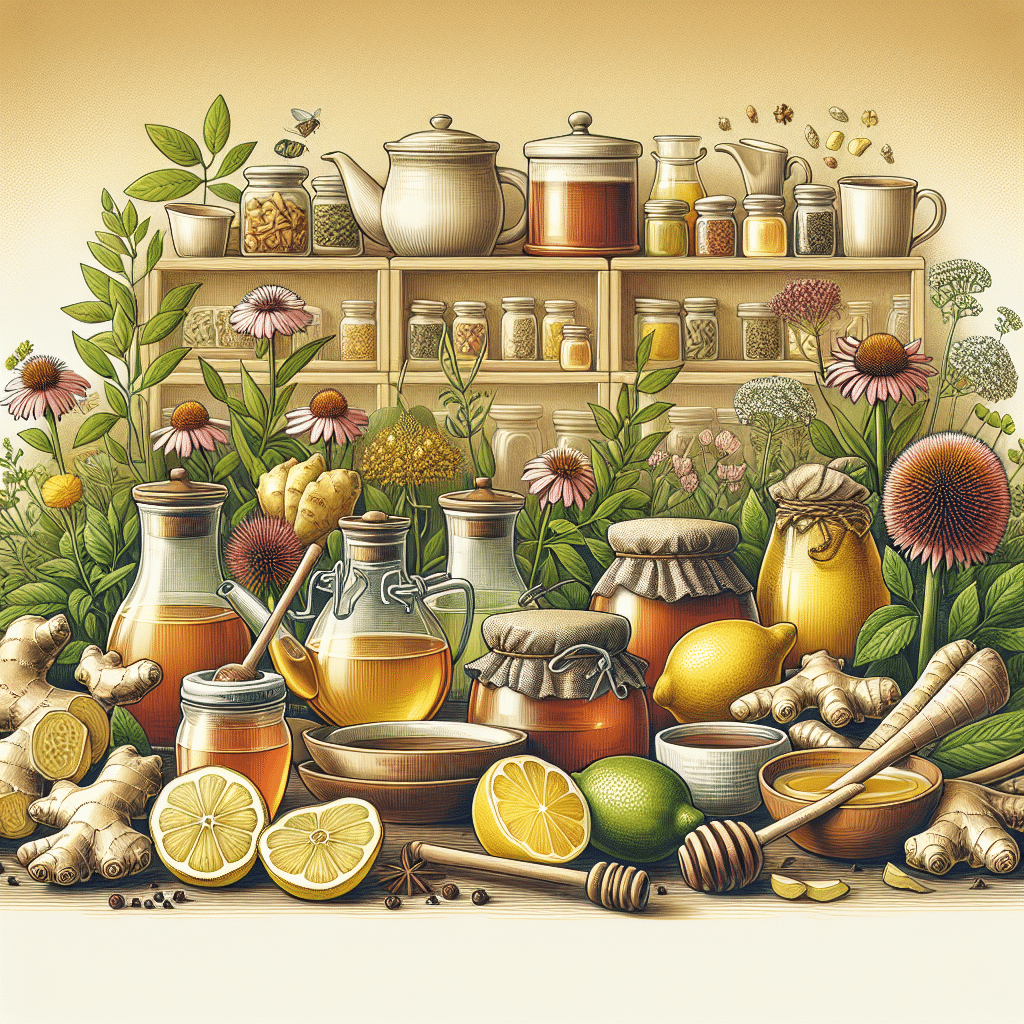
Herbal Tea and Immunity: A Natural Boost
Understanding Herbal Tea
Herbal tea, unlike traditional teas derived from the Camellia sinensis plant, is made from a variety of herbs, flowers, fruits, and spices. This diversity means that herbal teas come with a wide range of health benefits, particularly in boosting immunity. By incorporating essential vitamins, minerals, and antioxidants, herbal teas can be a powerful ally in maintaining a robust immune system.
Key Ingredients for Immune Boosting
Certain herbs and plants are renowned for their immune-enhancing properties. Some of the most effective ingredients include:
-
Echinacea
Echinacea is widely recognized for its ability to stimulate the immune system. Rich in flavonoids, it helps to increase the production of white blood cells, which are critical in fighting infections. Studies indicate that Echinacea can reduce the duration of colds and minor infections, making it a popular choice during cold and flu season. -
Elderberry
Elderberry is packed with antioxidants, particularly anthocyanins, which help combat oxidative stress in the body. Research has shown that elderberry can help reduce the severity and duration of cold and flu symptoms. It also promotes the production of cytokines, important proteins involved in the immune response. -
Ginger
Ginger is not only a culinary staple but also a potent medicinal herb. Its anti-inflammatory and antioxidant properties make it a powerful supporter of the immune system. Ginger can help enhance circulation, detoxify the body, and improve digestive health, all of which contribute to overall immune function. -
Turmeric
Turmeric contains curcumin, which possesses strong anti-inflammatory and antioxidant effects. It can enhance the immune response by stimulating the activity of the immune cells. Regular consumption of turmeric tea can also help evaluate chronic inflammation, further boosting the body’s ability to fight off infections. -
Peppermint
Peppermint tea is not just refreshing; it has various health benefits too. Its menthol content can help relieve respiratory issues, and its antiseptic properties aid in the prevention of infections. Furthermore, peppermint tea can relax the muscles of the digestive tract, which helps the body absorb nutrients better, strengthening immune health. -
Rooibos
Rooibos, an herbal tea from South Africa, is rich in antioxidants like aspalathin and nothofagin. These compounds can significantly enhance immune function and reduce inflammation. Rooibos tea is also caffeine-free, making it suitable for any time of day.
How to Prepare Immune-Boosting Herbal Tea
Making herbal tea is simple and offers the best way to harness the health benefits of these powerful herbs. Here’s a step-by-step guide:
-
Choose Your Ingredients
Select one or more immune-boosting herbs. Fresh or dried herbs can be used, but ensure they are organic and free from pesticides. -
Boil Water
Bring water to a boil. The amount will depend on how many servings you wish to prepare. -
Steep the Herbs
Add approximately 1-2 teaspoons of dried herbs or a handful of fresh herbs for each cup of boiling water. Steep for 5-10 minutes, depending on how strong you like your tea. -
Strain and Enjoy
Strain the mixture into a cup and enjoy your herbal tea hot or cold. Feel free to add honey or lemon for additional flavor and health benefits.
Combining Herbs for Maximum Effect
Combining herbs can enhance their health benefits. To create a potent immune-boosting blend, consider the following combinations:
-
Echinacea and Elderberry: This combination works synergistically to fight off infections and reduce inflammation.
-
Ginger, Turmeric, and Peppermint: This trio not only supports immune health but also aids digestion and reduces nausea.
-
Rooibos and Lemon Balm: Both are calming and rich in antioxidants, which make them perfect for stressful days when the immune system might be compromised.
Frequency of Consumption
For optimal immune benefits, incorporate herbal tea into your daily routine. Drinking 1-2 cups per day can help maintain steady levels of the antioxidants and health-promoting compounds in your body. Consider varying the types of herbal teas you consume to maximize a broad spectrum of health benefits.
Potential Side Effects and Precautions
While herbal teas are generally safe, it’s important to consider individual reactions to certain herbs. Some people may experience allergic reactions or gastrointestinal discomfort with specific herbs. Pregnant or nursing women and individuals with chronic health conditions should consult healthcare professionals before adding new herbal teas to their diet.
Quality Matters
When choosing herbal teas, opt for high-quality, organic products without additives or fillers. Loose-leaf teas often provide more nutrients than tea bags, which might contain lower-quality herbs. Brands that prioritize sourcing and testing for purity and potency ensure that you’re getting the most beneficial compounds in your cup.
The Bottom Line on Herbal Tea
Herbal teas serve as more than just a comforting beverage; they are a strategic way to fortify your immune system naturally. By making herbal tea a regular part of your wellness routine, you can pave the way for better health, especially during cold and flu season. Empower your body’s defenses with the power of nature’s finest herbs. Grab your favorite tea blend and sip your way to optimal immune health.