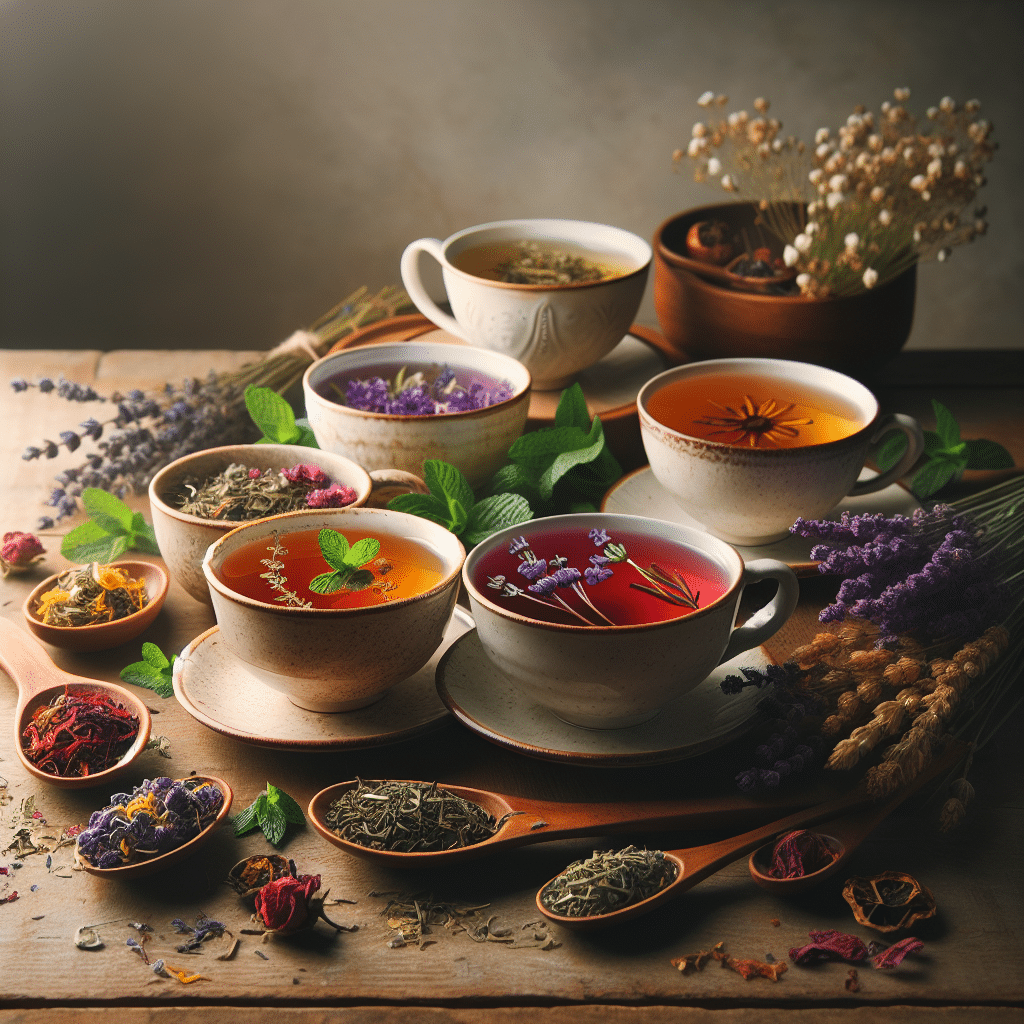
Understanding Herbal Teas for Relaxation
Herbal teas have been cherished for centuries, not just for their delightful flavors but also for their calming effects. Unlike traditional teas derived from the Camellia sinensis plant, herbal teas are made from a blend of herbs, flowers, fruits, or spices. The absence of caffeine in these herbal concoctions is particularly advantageous for those seeking relaxation. Below is a detailed guide to the most soothing caffeine-free herbal teas that promote relaxation and how to enjoy them.
1. Chamomile Tea
Chamomile tea, made from the dried flowers of the Matricaria chamomilla plant, is renowned for its gentle sedative effects. This tea is rich in antioxidants like apigenin, which binds to receptors in the brain, reducing anxiety and promoting sleep.
Preparation: Steep one to two teaspoons of dried chamomile flowers in hot water for about 5-10 minutes. Sweeten with honey or add a splash of lemon if desired.
2. Lavender Tea
Lavender, known for its soothing aroma, is often used in aromatherapy. When brewed as a tea, it can help reduce stress and improve sleep quality. The calming properties of lavender primarily stem from its ability to reduce heart rate and blood pressure.
Preparation: Use about one tablespoon of dried lavender buds or a lavender tea bag, and steep in boiling water for 5-7 minutes. Enjoy it plain or with a hint of honey.
3. Passionflower Tea
Passionflower tea, derived from the leaves of the Passiflora plant, is less well-known but highly effective for promoting relaxation. Studies suggest that passionflower may help alleviate anxiety, thanks to its level of gamma-aminobutyric acid (GABA), which has a calming effect on the nervous system.
Preparation: Steep about 1-2 teaspoons of dried passionflower leaves in hot water for 10 minutes. It can be paired with chamomile or lemon balm for added effects.
4. Lemon Balm Tea
Part of the mint family, lemon balm has a bright citrus flavor and is praised for its stress-relieving properties. It has been shown in various studies to reduce anxiety and promote better sleep quality. The herb contains rosmarinic acid, which is thought to moderate the body’s stress response.
Preparation: Use 1-2 teaspoons of fresh or dried lemon balm to steep in boiling water for about 5-10 minutes. For a refreshing twist, add slices of fresh lemon or a bit of honey.
5. Peppermint Tea
Peppermint tea is typically known for aiding digestion, but its menthol content also provides a soothing effect that can help ease mental fatigue and stress. The refreshing aroma can uplift the mood while providing a calming effect.
Preparation: Steep 1-2 teaspoons of dried peppermint leaves or a tea bag in boiling water for 5-7 minutes. Enjoy it hot or iced.
6. Valerian Root Tea
Valerian root has been used since ancient times as a natural remedy for insomnia and anxiety. Its strong sedative properties make it a go-to herbal tea for those struggling with restless nights.
Preparation: Use 1-2 teaspoons of dried valerian root and steep it in hot water for 10-15 minutes. Due to its strong taste, you can combine it with chamomile or honey to enhance the flavor.
7. Holy Basil (Tulsi) Tea
Holy basil, also known as Tulsi, is a revered herb in Ayurvedic medicine for its adaptogenic properties. It helps the body adapt to stress and can improve overall mental clarity while promoting relaxation.
Preparation: Steep 1-2 teaspoons of dried holy basil or a tea bag in boiling water for 5-10 minutes. It pairs well with ginger or lemongrass for additional flavors.
8. Rooibos Tea
Rooibos, or red tea, is naturally caffeine-free and rich in antioxidants. This South African herbal tea has a slightly sweet and nutty flavor, making it a pleasant option for relaxation. Rooibos is also believed to reduce stress levels and its high mineral content supports general wellness.
Preparation: Brew 1-2 teaspoons of loose rooibos or a bag in hot water for about 5-7 minutes. You can enjoy it plain or add a splash of milk for a creamy touch.
9. Hibiscus Tea
Hibiscus tea is made from dried hibiscus flowers and is known for its tart flavor and bright red color. Rich in antioxidants, hibiscus is believed to help lower blood pressure and promote relaxation.
Preparation: Steep 1-2 tablespoons of dried hibiscus flowers in boiling water for about 5-10 minutes. It can be consumed hot or iced, and honey can be added to counter its tartness.
10. Ginger Tea
While often utilized for its gastrointestinal benefits, ginger tea can also have a soothing effect on the mind and body. Ginger works to reduce inflammation and can have a calming effect on the digestive system, which sometimes contributes to anxiety.
Preparation: Slice fresh ginger root and steep 1-2 slices in boiling water for 10 minutes. Sweeten with honey or pair it with lemon.
Tips for Preparing Herbal Teas
- Quality Ingredients: Always choose high-quality herbs, preferably organic, to ensure you’re drinking the most effective formulations.
- Brewing Time: Steeping times may vary, but generally, allowing the herbs to steep too long may lead to bitterness or overly strong flavors. Typically, 5-10 minutes is ideal.
- Experimenting: Feel free to mix different herbs to create personalized blends that cater to your specific taste and relaxation needs.
- Temperature: Loose herbs can be steeped in boiling water, but for finer herbs, avoid boiling to preserve their beneficial properties.
- Consider Decaf Blends: If you find yourself missing traditional tea flavors, opt for herbal blends that mimic classic flavors but are caffeine-free.
Conclusion
Incorporating caffeine-free herbal teas into your daily routine can serve as a powerful tool for relaxation. Finding a favorite blend will not only provide comfort but also enhance your overall mental well-being. Explore, experiment, and find the perfect cup that soothes your senses and helps melt the stresses of the day away.