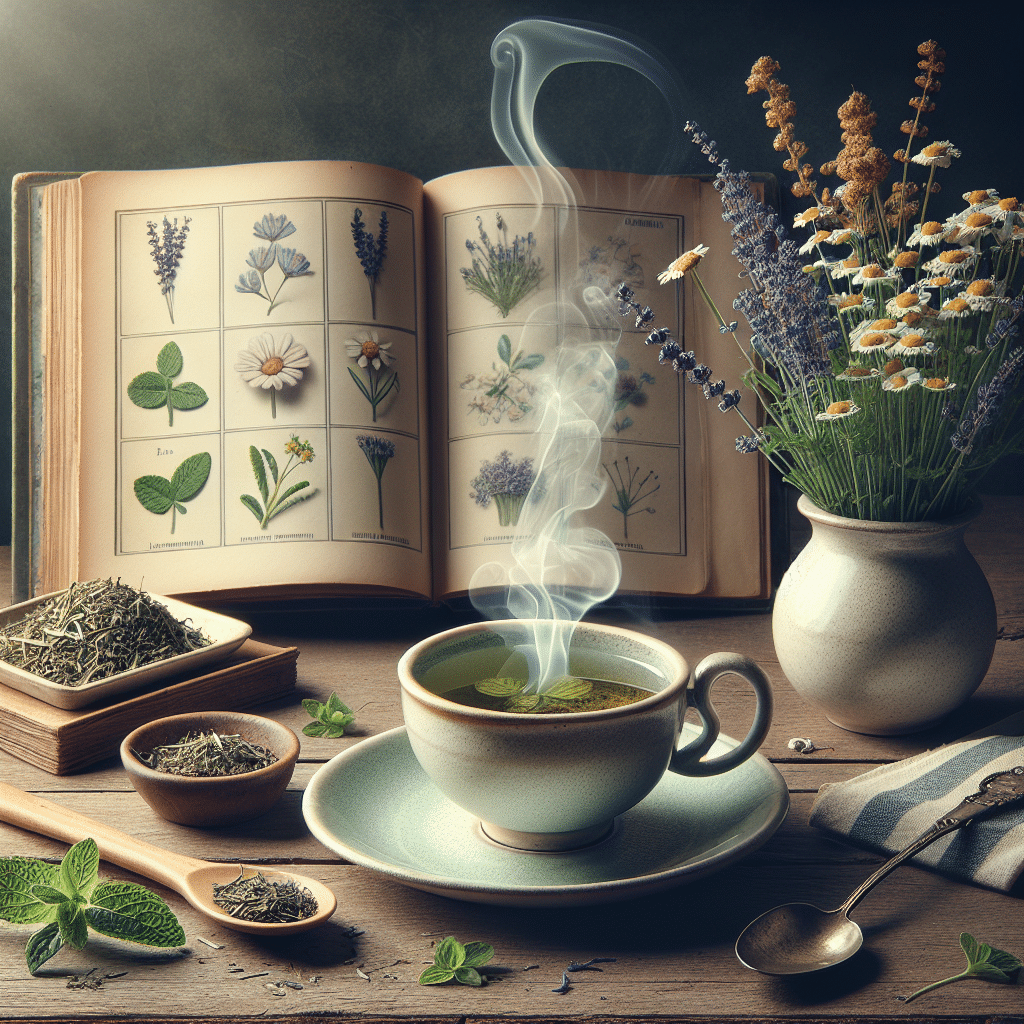
Understanding Herbal Tea and Its Role in Stress Relief
Herbal tea, derived from various medicinal plants, flowers, leaves, and roots, offers a soothing alternative for stress relief. Unlike traditional teas that derive from the Camellia sinensis plant, herbal teas, or tisanes, come from a broader range of plants. Rich in antioxidants and phytochemicals, these teas can promote relaxation and emotional balance.
Benefits of Herbal Tea for Stress
-
Calming Properties: Many herbal teas contain compounds that help reduce anxiety and promote relaxation. Chamomile and lavender are particularly known for their calming effects on the nervous system.
-
Antioxidant-Rich: Herbal teas generally boast a high level of antioxidants, which combat oxidative stress in the body. This can reduce feelings of anxiety and tension.
-
Promoting Sleep: Stress often leads to sleep disturbances. Herbal teas such as valerian root and passionflower may improve sleep quality, enabling the body to recover from stress better.
-
Mindfulness Ritual: Preparing and enjoying herbal tea can be a meditative practice, allowing individuals to take a moment to pause and embrace mindfulness, reducing stress levels.
Popular Herbal Teas for Stress Relief
1. Chamomile Tea
Properties: Chamomile is renowned for its calming effects. It contains apigenin, an antioxidant that binds to brain receptors associated with sleep and relaxation.
Preparation: Steep chamomile flowers in hot water for about 5-10 minutes. Sweeten with honey or enjoy plain.
Usage: Drinking chamomile tea before bedtime can help ease anxiety and promote restful sleep.
2. Lavender Tea
Properties: Lavender is widely used in aromatherapy for its relaxing fragrance. When consumed as a tea, it can reduce anxiety and stress.
Preparation: Infuse dried lavender buds in boiling water for approximately 7-12 minutes. Strain and serve hot or iced.
Usage: Lavender tea is best consumed during moments of high stress or before bed to enhance relaxation.
3. Lemon Balm Tea
Properties: Lemon balm, a member of the mint family, has mild sedative effects. It can help alleviate stress, anxiety, and insomnia.
Preparation: Brew fresh or dried lemon balm leaves in boiling water for about 10 minutes. Add a squeeze of fresh lemon for an extra zing.
Usage: Use lemon balm tea during the day for a gentle calming effect.
4. Passionflower Tea
Properties: Passionflower contains compounds that increase levels of gamma-aminobutyric acid (GABA) in the brain, promoting calmness.
Preparation: Steep passionflower herb in hot water for about 10 minutes. Strain and enjoy.
Usage: Ideal for evening consumption, passionflower tea can ease anxiety and improve sleep quality.
5. Ashwagandha Tea
Properties: Ashwagandha is an adaptogen known for its ability to help the body manage stress. It can reduce cortisol levels, offering considerable stress relief.
Preparation: Combine ashwagandha root powder with hot water, allowing it to steep for 5-10 minutes. Sweeten with honey if desired.
Usage: Regular consumption of ashwagandha tea can help improve your overall stress resilience.
6. Holy Basil Tea
Properties: Holy basil, or Tulsi, is revered in Ayurvedic medicine for its stress-relieving properties. It helps maintain cortisol levels and promotes mental clarity.
Preparation: Brew fresh or dried holy basil leaves in hot water for 5-10 minutes.
Usage: Best enjoyed in the morning or early afternoon to help manage daily stressors.
How to Select and Prepare Herbal Teas
When selecting herbal teas, consider the following:
-
Quality Source: Purchase from reputable brands that source organic herbs to ensure the absence of pesticides or other harmful chemicals.
-
Loose Leaf or Tea Bags: Loose leaf herbal teas often provide a richer flavor and higher quality herbs. However, convenient tea bags can be practical.
-
Preparation Method: Exact steeping times can affect the flavor and efficacy of herbal teas. Follow specific instructions for each herb.
Enhancing Your Herbal Tea Experience
-
Additions: Enhance flavor and benefits by adding natural ingredients like honey, lemon, or cinnamon. Each addition can boost the soothing properties of the tea.
-
Serving Temperature: While herbal teas can be enjoyed hot or iced, consuming them warm often maximizes their calming effects.
-
Mindful Drinking: Take a moment to relish the aroma and flavor of your herbal tea, promoting mindfulness and deeper relaxation experiences.
Potential Side Effects and Considerations
While herbal teas offer numerous benefits, it is wise to consider potential side effects:
-
Chamomile: May cause allergic reactions in individuals with ragweed allergies.
-
Lavender: In large doses, it may have estrogen-like effects, so individuals with hormone-sensitive conditions should consult a healthcare professional beforehand.
-
Passionflower: Can cause drowsiness; caution should be exercised when driving or operating machinery after consumption.
-
Ashwagandha: Some users may experience stomach upset; start with small amounts to gauge tolerance.
-
Holy Basil: Pregnant and breastfeeding women should avoid excessive consumption; consult healthcare providers before use.
Conclusion: Making Herbal Tea a Part of Your Stress Management Routine
Incorporating herbal tea into your daily routine can offer a holistic approach to stress relief. By choosing specific teas that support relaxation and emotional well-being, you can build a comforting ritual that not only enhances your well-being but also provides a delicious way to unwind. Always consider individual preferences and potential side effects; when in doubt, consult a healthcare provider for tailored advice.