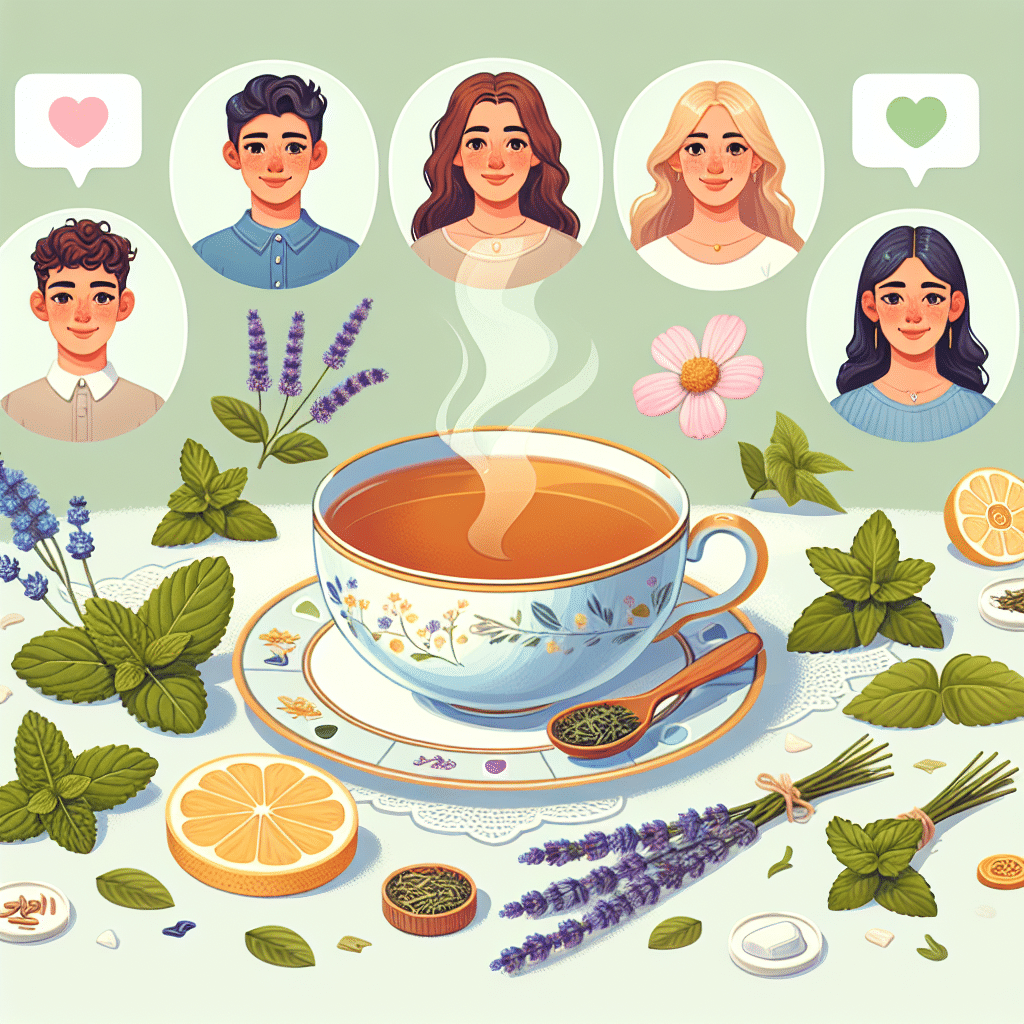
Calming Herbal Tea Blends: User Reviews and Experiences
Understanding Calming Herbal Teas
Calming herbal teas are renowned for their soothing properties, often crafted from natural ingredients that promote relaxation and stress relief. Popular ingredients include chamomile, lavender, peppermint, and valerian root. These teas are a staple service in many wellness communities, heralded for their ability to provide a tranquil respite amid the hectic pace of modern life.
Chamomile Bliss: A User Favorite
Chamomile tea is celebrated for its calming effects, with many users attesting to its ability to promote restful sleep.
User Review: Sarah, a chronic insomniac, started drinking chamomile tea every night before bed. “I used to toss and turn for hours, but since incorporating chamomile into my routine, I fall asleep faster and wake up feeling refreshed. It’s like a warm hug in a cup.”
Notably, chamomile can also be beneficial for alleviating anxiety. Many users report feeling relaxed within minutes of sipping a cup, praising its mild flavor and comforting aroma.
Lavender Dreams: A Floral Escape
Lavender tea is another herbal favorite, known for its aromatic profile and potent calming effects. Reviews suggest that lavender tea not only aids in relaxation but also enhances mood.
User Review: Mark, a busy professional, appreciates the grounding effects of lavender. “After a hectic day, I brew a cup of lavender tea to unwind. The floral scent is enchanting, and I feel my stresses melt away with each sip. It’s great for my mental clarity too.”
This herbal blend has been particularly popular among those who practice mindfulness and meditation, as its fragrance is often used to enhance the ambiance of relaxation spaces.
Peppermint Relief: A Refreshing Calm
Peppermint tea stands out not only for its refreshing taste but also for its ability to ease tension headaches and digestive issues. The cooling properties of peppermint help soothe the body and mind.
User Review: Jenna, who struggles with migraines, finds solace in peppermint tea. “Whenever I feel a headache coming on, I make a cup of peppermint tea. It’s not just soothing; it helps alleviate my symptoms. Plus, it’s delicious!”
Many users have noted that peppermint tea can also provide mental clarity, making it an excellent option for both relaxation and productivity.
Valerian Root: Nature’s Sedative
Valerian root is often cited as nature’s sedative, renowned for its powerful calming effects. However, users’ opinions on its efficacy vary widely.
User Review: Tom, who tried valerian root for anxiety, shares, “At first, I was skeptical, but valerian really helped me manage my stress levels. I sleep more soundly, and I feel less anxious during the day. Just be warned; it’s quite potent!”
Yet, some users have reported mixed experiences, with a few indicating that valerian can induce vivid dreams or a groggy feeling the next day.
Blend Varieties: Mixing and Matching for Maximum Benefits
Many tea enthusiasts prefer blends that combine several calming herbs. These custom mixes allow users to tailor their tea experience based on personal preferences and needs.
User Review: Lisa created her own calming blend with chamomile, lavender, and lemon balm. “I love experimenting with different herbs, and this blend is my favorite. It’s like a symphony of flavors that truly relaxes me. Plus, it smells amazing!”
This personal touch not only enhances the tea-drinking experience but also ensures that individuals can cater to their unique tastes and therapeutic needs.
Seasonal Favorites: Calming Teas Throughout the Year
The demand for calming teas often fluctuates with the seasons. In colder months, spiced blends featuring cinnamon and ginger become popular, while floral blends rule in spring and summer.
User Review: Kevin loves his warming spiced tea in winter. “I make a chai version with ginger, cinnamon, and chamomile. It warms me up and calms me down at the same time—it’s perfect for cozy nights!”
Conversely, lighter blends with ingredients like hibiscus or lemongrass gain traction in warmer weather.
The Role of Rituals in Enjoying Herbal Teas
For many users, the method of preparing and consuming calming herbal teas is almost ritualistic, contributing to their overall sense of repose.
User Review: Emily has crafted a calming tea routine. “Every evening, I make a pot of tea, light a candle, and allow myself to unwind while enjoying my brew. It has become a non-negotiable part of my day, helping me disconnect from daily stress.”
This routine highlights the importance of not just the tea itself but the act of pausing to savor its benefits.
The Social Aspect: Tea and Connection
While calming herbal teas are often personal retreats, many users enjoy sharing their favorites with friends or family. The communal experience of tea-drinking can amplify its soothing effects.
User Review: Anna loves hosting tea gatherings. “I invite friends over to try different calming blends. It’s such a comforting experience to sip tea and talk about life. We even share recipes for our favorite blends!”
This social aspect enhances the experience, demonstrating that calming teas serve as bridges for connection and relaxation.
Personalization and Quality: Finding the Right Tea
The quality of tea leaves matters significantly, and many users emphasize the importance of sourcing high-quality, organic ingredients to maximize health benefits and flavor.
User Review: Peter prefers loose-leaf over tea bags. “I’ve learned that loose-leaf teas are usually fresher and tastier. Plus, it’s more satisfying to brew a cup from beautiful, whole leaves.”
This focus on quality underlines the growing interest in herbal teas as not just a beverage but also a holistic approach to well-being.
Conclusion
User experiences with calming herbal tea blends showcase the variety and richness of the herbal tea landscape. From soothing chamomile to aromatic lavender, the benefits these teas provide extend beyond mere flavor. Each cup can be a step toward tranquility, making herbal tea blends an essential consideration for anyone looking to improve their mental and emotional well-being.