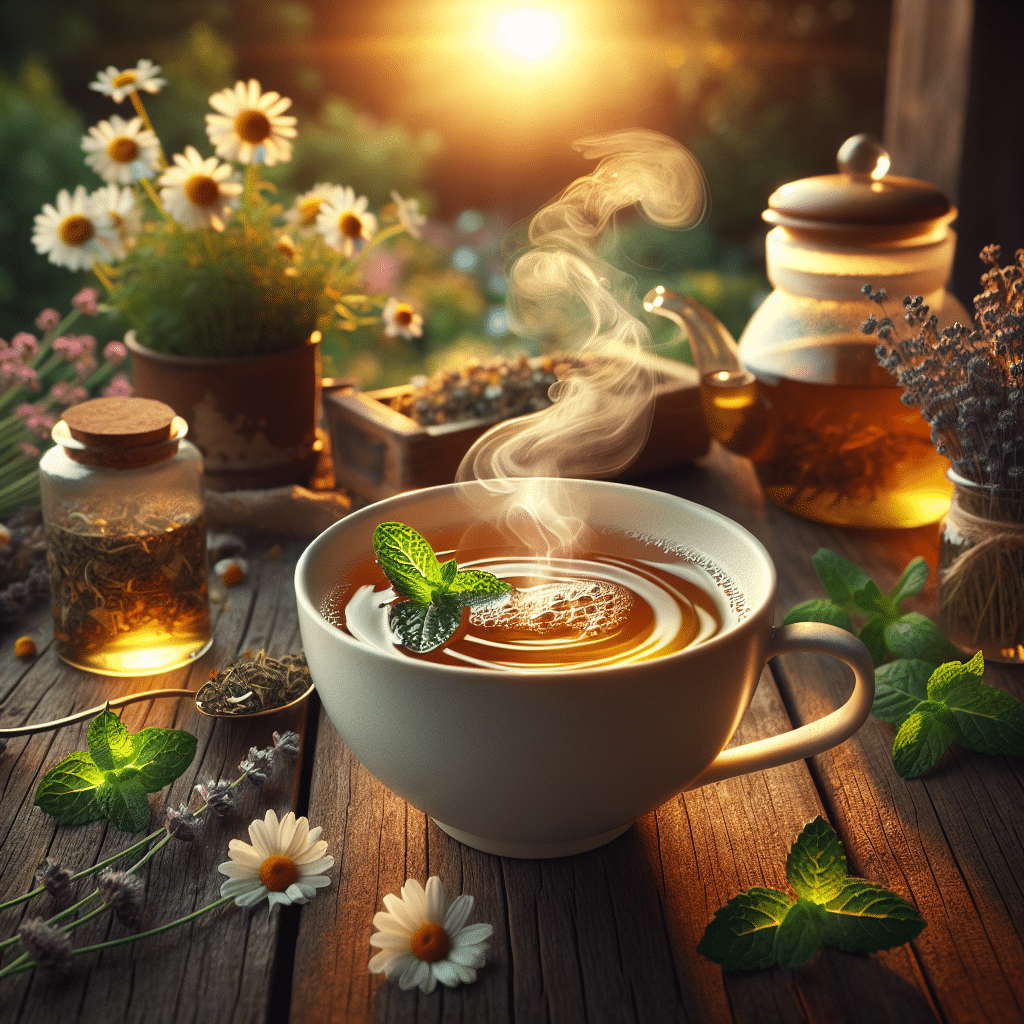
The Benefits of Herbal Teas for Relaxation
Herbal teas have long been recognized for their soothing properties and ability to provide a calm, tranquil experience. Each herbal infusion carries unique benefits, and when crafted mindfully, can become a staple in one’s daily routine for relaxation and reduction of stress. This article explores various herbal teas that promote peace and tranquility, along with their benefits and preparation methods.
Chamomile Tea
Chamomile tea, derived from the flowers of the Matricaria chamomilla plant, is a timeless remedy for anxiety and insomnia. Its calming effects are attributed to the antioxidant apigenin, which binds to specific receptors in the brain, resulting in reduced anxiety levels and improved sleep quality. Drinking chamomile tea can promote a sense of serenity, making it ideal for evening relaxation rituals.
Preparation: To brew chamomile tea, steep one tablespoon of dried chamomile flowers in hot water for 5-10 minutes. Strain and enjoy, optionally adding honey or lemon for added flavor.
Lavender Tea
Lavender tea, made from the aromatic flowers of the Lavandula plant, is renowned for its stress-relieving properties. The scent of lavender has been shown in studies to lower heart rate and blood pressure, creating a calming atmosphere. Drinking lavender tea can help alleviate feelings of restlessness and anxiety, making it a perfect companion during moments of stress.
Preparation: Combine one tablespoon of dried lavender buds with boiling water and let steep for 5-7 minutes. The resulting infusion not only smells delightful but also tastes refreshing, especially when sweetened lightly.
Peppermint Tea
Peppermint tea offers more than just a refreshing taste; it also serves as a natural muscle relaxant. The menthol in peppermint can help ease tension headaches and promote relaxation in the mind and body. This herbal infusion is particularly effective after stressful days, making it an excellent choice for unwinding in the evening.
Preparation: Steep a handful of fresh peppermint leaves or one tablespoon of dried leaves in boiling water for 5-10 minutes. Strain and enjoy hot or iced, depending on your preference.
Valerian Root Tea
Valerian root is often referred to as nature’s sleeping pill. This herbal tea provides potent relaxing effects due to its ability to increase gamma-aminobutyric acid (GABA) levels in the brain, promoting calmness and sleep. Valerian root tea is particularly beneficial for those facing chronic stress or insomnia.
Preparation: Use one to two teaspoons of dried valerian root and steep it in hot water for 10-15 minutes. The flavor can be strong, so you may want to add honey or blend it with another milder herbal tea.
Lemon Balm Tea
Lemon balm, a member of the mint family, has a refreshing lemon scent and is perfect for reducing stress and anxiety. Studies have shown that this herb can increase mood and cognitive performance while decreasing agitation. It can also help improve sleep quality, making it an excellent choice for your bedtime routine.
Preparation: To make lemon balm tea, steep one tablespoon of fresh lemon balm leaves or one teaspoon of dried leaves in boiling water for 5-10 minutes. This tea can be enjoyed plain or with a splash of lemon for brightness.
Passionflower Tea
Passionflower tea is famous for its calming effects on the central nervous system. It is often used as a treatment for anxiety and insomnia. The compounds in passionflower enhance GABA levels, which promote relaxation and reduced stress. This tea can be particularly helpful when facing overwhelming situations or before sleep.
Preparation: Brew passionflower by steeping two teaspoons of dried passionflower leaves in hot water for 10-15 minutes. The slightly tart flavor can be complemented with honey.
Ashwagandha Tea
Ashwagandha, an adaptogenic herb, has been used in traditional Ayurvedic medicine for centuries to reduce stress and promote balance. When consumed as a tea, it can help lower cortisol levels and enhance overall mood. Suitable for daily use, ashwagandha tea can help build resilience against stressors.
Preparation: Combine one teaspoon of ashwagandha powder with hot water and allow it to steep for 10-15 minutes. It may be combined with other herbal teas for a more palatable flavor.
Hops Tea
Commonly known for its use in brewing beer, hops also possess powerful sedative properties beneficial for promoting relaxation and sleep. Hops tea can help reduce anxiety and agitation, making it a valuable herbal infusion for those facing stress-related challenges.
Preparation: Steep one tablespoon of dried hops in hot water for 5-10 minutes. The bitterness can be balanced by adding honey or blending with another herbal tea.
The Ritual of Tea-Drinking
Brewing and consuming herbal teas can be a meditative practice in itself. Take time to appreciate the colors, aromas, and flavors as you prepare your cup. Create a dedicated tea space where you can enjoy your tea ritual without distractions. Incorporating mindfulness techniques such as deep breathing while sipping your herbal infusion can enhance relaxation.
Conclusion
Incorporating herbal teas into your daily regimen can significantly impact your relaxation routine. From chamomile to hops, each herbal infusion offers distinct relaxation benefits. Whether consumed alone or blended with other herbs, these teas provide a simple yet effective means to manage stress and promote a sense of calm. Explore various herbs and crafting your personalized tea blends to discover what best soothes your spirit. Finding your perfect “serenity in a cup” allows you to embrace relaxation with every sip.