The Allure of Floral Herbal Tea Blends
Understanding Floral Herbal Teas
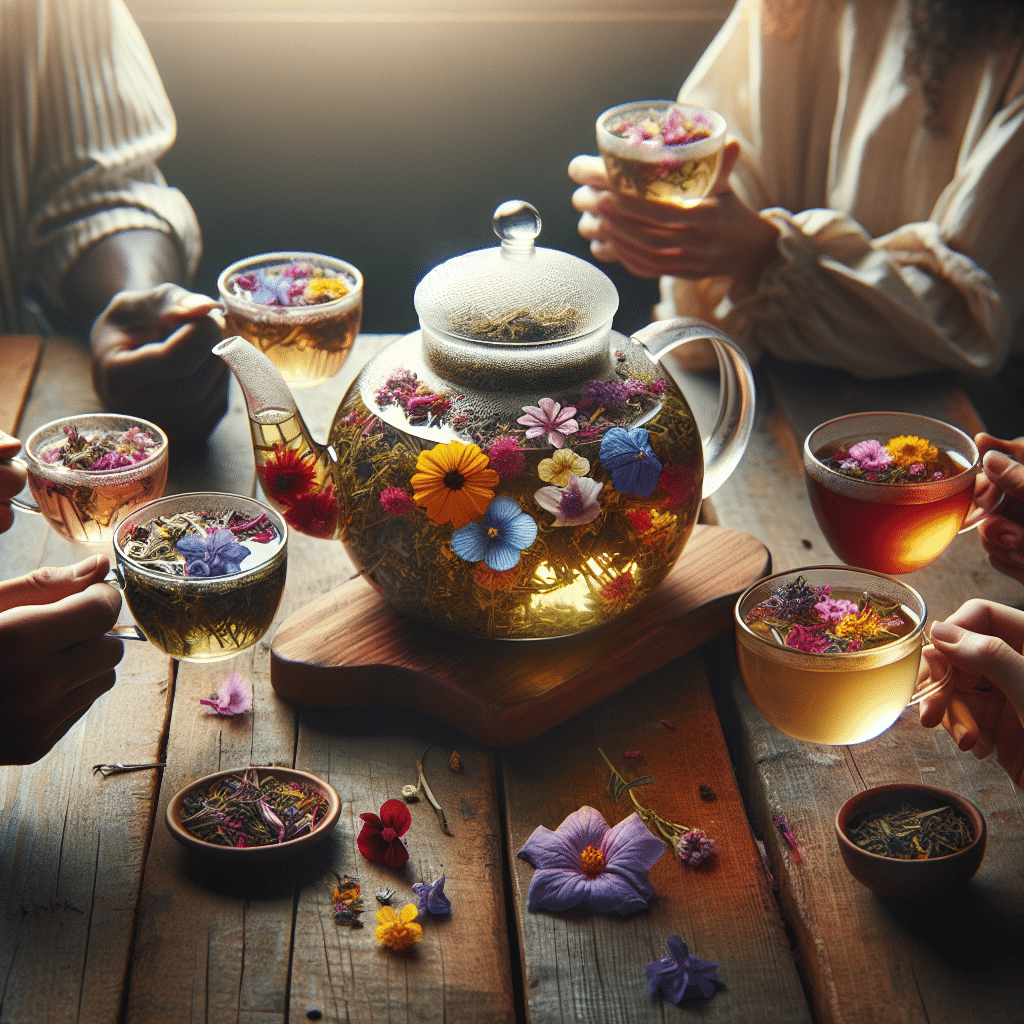
Floral herbal teas are an enchanting blend of flavors, aromas, and health benefits derived from various herbs and flowers. Unlike traditional teas, which come from the Camellia sinensis plant, herbal teas are infusions made from a variety of plant materials. These floral blends not only offer a delightful sensory experience but also bring numerous health benefits, making them an attractive choice among tea enthusiasts and health-conscious individuals alike.
Popular Flowers in Tea Blends
-
Chamomile
Chamomile is renowned for its calming properties. Before bedtime, sipping on chamomile floral tea can ease anxiety and promote sleep. Its sweet, apple-like flavor pairs well with other herbal blends, especially those containing lavender or lemon balm. -
Hibiscus
With its bold ruby-red hue, hibiscus is a favorite for both taste and visual appeal. This flower has a tart flavor that resembles cranberry, making it an excellent base for refreshing iced teas. Rich in vitamin C, hibiscus tea is also celebrated for its potential benefits in lowering blood pressure and improving heart health. -
Lavender
Often associated with relaxation, lavender imparts a soothing aroma and a subtly sweet flavor. Its aromatic qualities can enhance blends with chamomile and mint, creating a tea that is both uplifting and calming. Furthermore, lavender is known for its anti-inflammatory properties. -
Rose Petals
Rose petals add a romantic and fragrant touch to any tea blend. Their delicate floral notes balance well with the earthiness of herbs like sage or the sweetness of peppermint. Rose tea is recognized for its potential to improve digestion and boost mood. -
Calendula
Known as marigold, calendula has vibrant orange or yellow petals that can brighten any tea blend. Its mildly peppery flavor complements a variety of herbs. Rich in antioxidants, calendula is traditionally used for its healing properties and to support skin health.
Creating Your Own Floral Herbal Tea Blends
To curate a personalized floral herbal tea blend, follow these steps:
-
Select Your Base Floral Ingredients
Choose a primary floral ingredient based on your desired flavor and health benefits. For instance, chamomile serves well for relaxation, while hibiscus can cater to a refreshing drink. -
Add Complementary Herbs
To enhance the flavor profile, add herbs that complement the floral base. For example, mixing chamomile with lemon balm and lavender creates a well-rounded, calming blend. Alternatively, hibiscus can be paired with mint for a refreshing finish. -
Include Additional Flavor Elements
Consider adding spices, fruits, or other herbal ingredients. Ginger adds warmth and a hint of spice, while dried fruits like apple or pear can introduce natural sweetness. -
Experiment with Ratios
Start with a balanced mix—about 1 part floral ingredient to 1 part complementary herb. Gradually adjust the proportions based on your taste preferences. -
Taste and Adjust
Once brewed, taste your tea and adjust accordingly. You may choose to add sweeteners like honey or a splash of citrus for brightness.
Brewing the Perfect Floral Herbal Tea
To encapsulate the delicate flavors of your floral herbal tea blend, follow these brewing guidelines:
-
Water Temperature: Use water at around 200°F (93°C). Avoid boiling water to preserve the integrity of the delicate flowers and herbs.
-
Steeping Time: Steep for 5 to 7 minutes for optimal flavor extraction. If you prefer a stronger tea, you can steep longer, but be mindful of any potential bitterness.
-
Quantity: Use about 1 teaspoon of the herbal blend for every 8 ounces of water. Adjust according to personal preference and the strength of the blend.
Health Benefits of Floral Herbal Teas
Floral herbal tea blends offer an array of health benefits:
-
Stress Relief: Many floral teas contain compounds known to alleviate stress and anxiety. Chamomile and lavender, for example, are well-documented for their calming properties.
-
Digestive Support: Herbs like peppermint and chamomile can aid in digestion, helping to reduce bloating and discomfort.
-
Anti-inflammatory Effects: Ingredients like calendula and ginger exhibit anti-inflammatory properties, potentially assisting in the management of chronic conditions.
-
Antioxidant Rich: Many floral herbs, including hibiscus and rose, are packed with antioxidants that help combat oxidative stress and support overall health.
-
Hydration: Floral herbal teas are an excellent way to stay hydrated throughout the day, providing a flavorful alternative to water.
Pairing Floral Herbal Teas with Food
To enhance the enjoyment of floral herbal teas, consider pairing them with various foods:
-
Chamomile pairs beautifully with baked goods, such as lemon scones or oatmeal cookies.
-
Hibiscus is perfect alongside spicy dishes, as its tartness can cut through rich flavors, making it an excellent companion to Mexican cuisine.
-
Lavender complements sweet desserts, such as chocolate mousse or vanilla custard, offering a luxurious experience.
-
Rose tea can be paired with light salads or fruit-based dishes to enhance the overall flavor profile.
Finding Quality Floral Tea Blends
When searching for high-quality floral herbal teas, consider the following tips:
-
Check for Freshness: Purchase from reputable sources where herbs are stored properly, ensuring their freshness and potency.
-
Look for Organic Options: Organic teas are often free from pesticides and chemicals, allowing you to enjoy the true essence of each flower.
-
Read Reviews: Check customer reviews for insight into taste and quality before making a purchase.
-
Explore Local Tea Shops: Visit local tea shops and specialty stores to discover unique blends and receive personalized recommendations from knowledgeable staff.
Storing Your Floral Herbal Tea Blends
To maintain the freshness and flavor of your tea blends, store them in airtight containers away from light and moisture. Glass jars or opaque tins work well for this purpose. Ensure to label your blends with dates to keep track of freshness.
Conclusion
Exploring floral herbal tea blends opens a world of aromatic experiences filled with delightful flavors and significant health benefits. By understanding the unique properties of each floral ingredient and taking the time to create personalized blends, tea enthusiasts can elevate their drinking experience to new heights.